
Direct Infrared Warmth for Jobsite Comfort with Flagro Radiant Heaters
How Infrared Heating Works
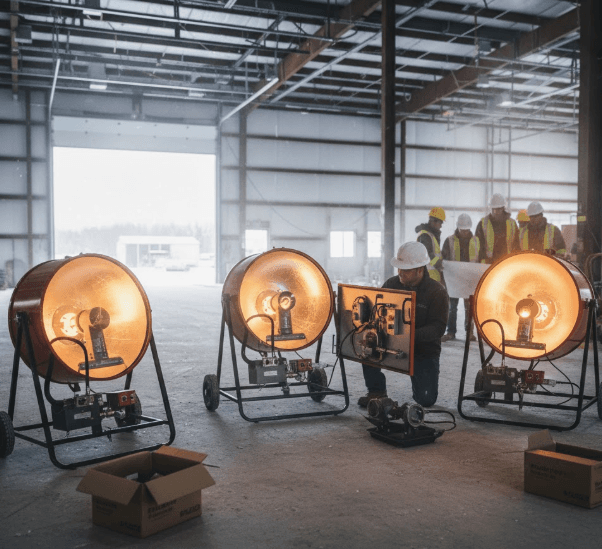
Radiant heaters operate differently from forced-air heating equipment. Instead of blowing warm air into a room, they produce infrared energy that travels directly to nearby surfaces. Floors, equipment, walls, and workers absorb this energy and gradually release warmth back into the surrounding space. This heating process allows warmth to remain effective even when airflow or drafts are present. As a result, radiant heaters are often chosen for open job sites, outdoor structures, or partially enclosed buildings. Their ability to deliver targeted heat makes them a practical solution in many work environments.
Applications in Construction and Industrial Settings
Radiant heating equipment is frequently used in locations where traditional heaters struggle to perform effectively. Construction crews often rely on these heaters when working in unfinished buildings where walls or doors are not yet installed. Warehouses and garages also benefit from radiant heat because large open areas can make air-based heating inefficient. Outdoor work areas can be warmed as well, since the heat is directed toward objects rather than dispersed through the air. This flexibility allows radiant heaters to support a wide range of heating needs. Their focused heating style helps workers remain comfortable even in colder conditions.
Important Components Inside Radiant Heaters
Several components work together inside a radiant heater to generate and direct heat. The burner assembly produces the flame that creates the infrared energy used for heating. Ignition systems start the burner safely and ensure proper combustion. Reflectors are designed to direct the radiant heat outward toward the workspace. Fuel regulators and control valves help manage the flow of fuel into the system. When these components operate correctly, the heater can deliver strong and consistent radiant heat.
Advantages of Radiant Heating Equipment
• Provides direct heat to people and objects
• Works effectively in open or drafty environments
• Does not rely on circulating large volumes of air
• Ideal for construction sites and outdoor workspaces
• Delivers noticeable warmth quickly after startup
Fuel and Safety Control Systems
Radiant heaters rely on carefully regulated fuel systems that help control combustion inside the unit. Regulators and valves manage the fuel supply so the burner operates safely and efficiently. Safety switches and sensors monitor the heater’s operating conditions. These devices help shut down the system if unsafe conditions occur. Proper functioning of these components is essential for safe heater operation. Together, they help maintain controlled heating performance during use.
Parts That Support Radiant Heater Operation
Replacement components available through FlagroParts.com help support the operation of radiant heating equipment used in demanding environments. Burners, ignition components, regulators, reflectors, and fuel system parts all contribute to the heater’s heating performance. Access to these components allows worn parts to be replaced when necessary. Addressing component issues early helps prevent interruptions during heating operations. With the proper parts installed, radiant heaters can continue delivering strong infrared warmth on worksites and industrial spaces.